

6 Tips for Running a Photography Studio
There is already a lot of content out there on how to be a successful photographer. Just look at some of the previous posts on this website. This one is different. This is not about how to take better pictures. This is about the part of photography that ends up consuming more of your time than actually holding a camera: the business side of being a photographer.
Professionals Arrive on Before Everyone Else
Be early. Not on time, but early. There is a difference, and it matters more than you think.
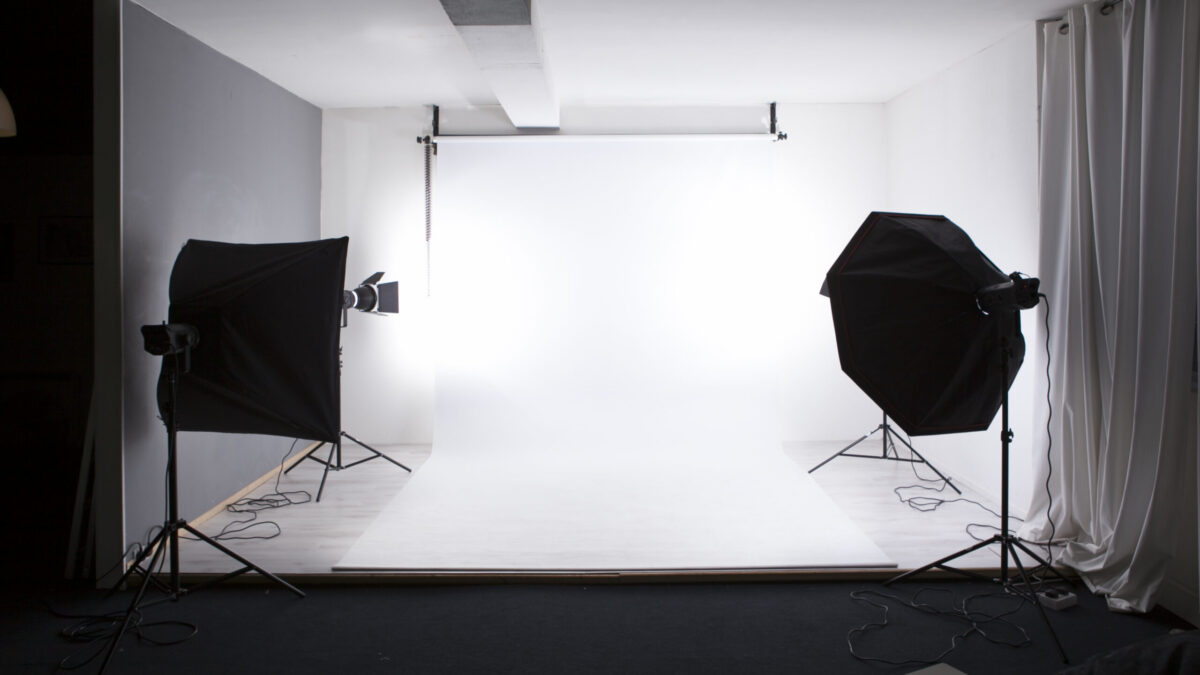
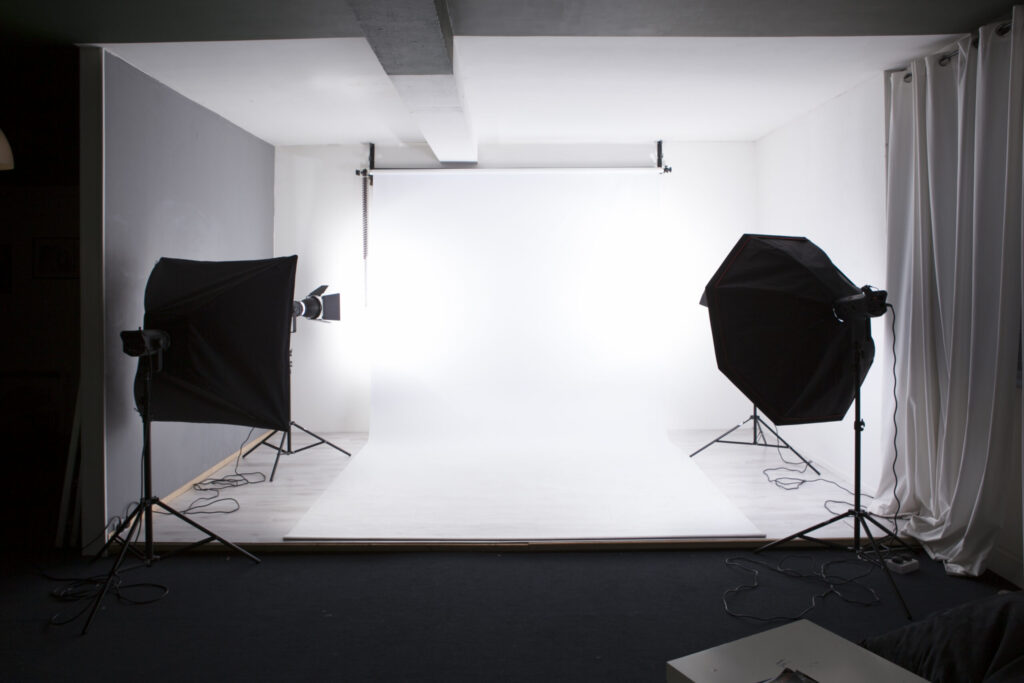
When I had my studio, one of the services I offered was renting the space to other photographers by the hour. You would be surprised, or maybe you would not, how often the photographer’s clients would show up before the photographer did. The client is standing in the hallway, wondering if they have the right address, while the person they hired is still in the car in the way. That is not a great way to start a session. Clients are often already a little nervous, especially if it is their first time in a studio. Arriving before them and having the space set up and ready when they walk in signals that you are a professional who takes their time seriously. That impression matters, and it costs you nothing but a few extra minutes.
The same goes with being on location shoots or weddings. By arriving early, you have time to scope out the location and identify areas for good shots.
You Are a Desk Job
Accept that you will spend more time sitting at a desk in front of your computer than you will spend holding a camera.
This one is hard to accept when you first get into photography because the whole appeal is the creative work, the shoots, the finished images. But the reality is that most of your time will be spent sitting at a computer. Editing, culling, backing up files, answering emails, updating your website, and client meetings. If you go into it thinking photography is mostly photography, you are going to be caught off guard by how much of it is administrative.
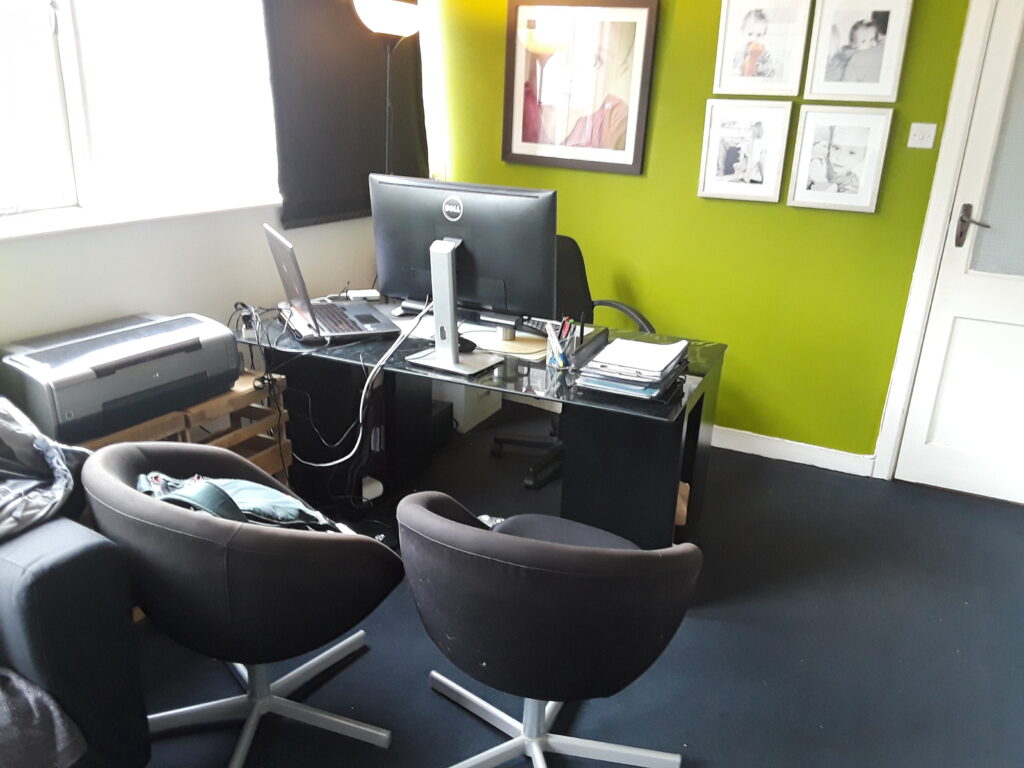
Invest in a good chair and a decent monitor. Set up a workspace you can actually spend hours in without your back giving out. The photographers who treat the desk work as a necessary inconvenience and never get organized tend to fall behind on deliverables. The ones who build good systems around the business side end up with more time and headspace for the creative work.
Never Let Them See You Sweat
Children running around like maniacs. A flash that suddenly stops firing. A key piece of gear you left sitting on your kitchen counter. These things happen. They happen to everyone. What separates a professional from someone who just owns a camera is how you handle it when they do.
The client does not need to know about the problem. They especially do not need to see you panic. Your stress becomes their stress, and now instead of a relaxed session you have a client who is second-guessing whether they hired the right person. Stay calm, solve the problem quietly, and keep moving. Most of the time the client never even knows anything went sideways. The ability to keep your composure when things fall apart is one of those skills nobody tells you to develop, but it is one of the most important ones you will have.
Cancellations
Cancellations happen. If you shoot portraits long enough, you will have clients who reschedule two or three times, forget entirely, or cancel thirty minutes before you were about to walk out the door. It is part of the business. The way you handle it, though, makes a significant difference.
I had a client once who had been given a gift voucher to my studio. She booked a location shoot, which meant I blocked off travel time plus a couple of hours on a Saturday, which is my busiest day. About thirty minutes before I was going to leave, she emailed to say her kids had gone to the park and she needed to cancel. My booking confirmation emails clearly state that any cancellation under 48 hours is subject to a rescheduling fee. I will usually waive it if someone gives me at least a day’s notice and has a reasonable situation. Thirty minutes on a Saturday, after I had blocked three hours that I could have filled with something else, was not that situation. I intended to charge the fee.
When she contacted me a few months later to reschedule, I told her the fee applied and sent her the payment information. I also made clear in my reply that the session would not be confirmed until the fee was paid.
She did not pay it. Not for weeks. Then, at 10:40pm on the night before the shoot, she sent the payment through. By that point I had not heard from her and had booked the time to someone else. I replied that the slot was no longer available and offered her another date.
The point is not to be difficult with clients. The point is that your time has value. An unpaid hour on your calendar is not just an inconvenience; it is lost income. A clear policy communicated upfront makes these conversations much easier to have because it is not personal, it is just the terms they agreed to.
Take a Deposit
This follows directly from the previous tip and is honestly the more effective solution. A deposit does not have to be large. Mine for a standard portrait session was only 25 dollars. Some photographers take 50 percent of the total. Either way, having some money on the line changes how seriously people treat the booking.
A client who has not paid anything has very little stopping them from cancelling on short notice or simply not showing up. A client who has paid a deposit has a reason to follow through or at least communicate in advance if something comes up. It also filters out people who are not serious from the start, which saves you from filling your calendar with bookings that were never going to happen.
That said, be reasonable about it. If someone cancels well in advance, apply the deposit toward their rescheduled session. If there is a genuine emergency, a sick child, a death in the family, use your judgment. You are running a business, not a penalty service. The deposit is there to protect your time, not to punish people for having lives.
Other Income for Studio Owners
If you have a physical studio, the overhead costs happen whether you are shooting or not. One of the better ways to offset that is renting the space to other photographers when you have nothing scheduled.
It does not require much effort to set up. Create a simple hourly rate, or day rate, outline what is included, and make it easy to book. Photographers who are building their own client base but not yet in a position to have their own space are a natural audience for this. You get income from hours that would otherwise be empty, and they get access to a proper studio without the overhead. It is a straightforward arrangement that takes very little of your time once it is in place.
Note: Take a cleaning deposit!

Running a photography studio is rewarding as if give you a location to practice your art, but the photographers who stick around are the ones who treat it like a real business. Show up early, build systems that protect your time, keep your cool when things go sideways, and do not be afraid to enforce the policies you put in place. The camera is the fun part. Everything around it is what keeps the lights on.